
Subtropics in Kazakhstan: Myth or Reality?
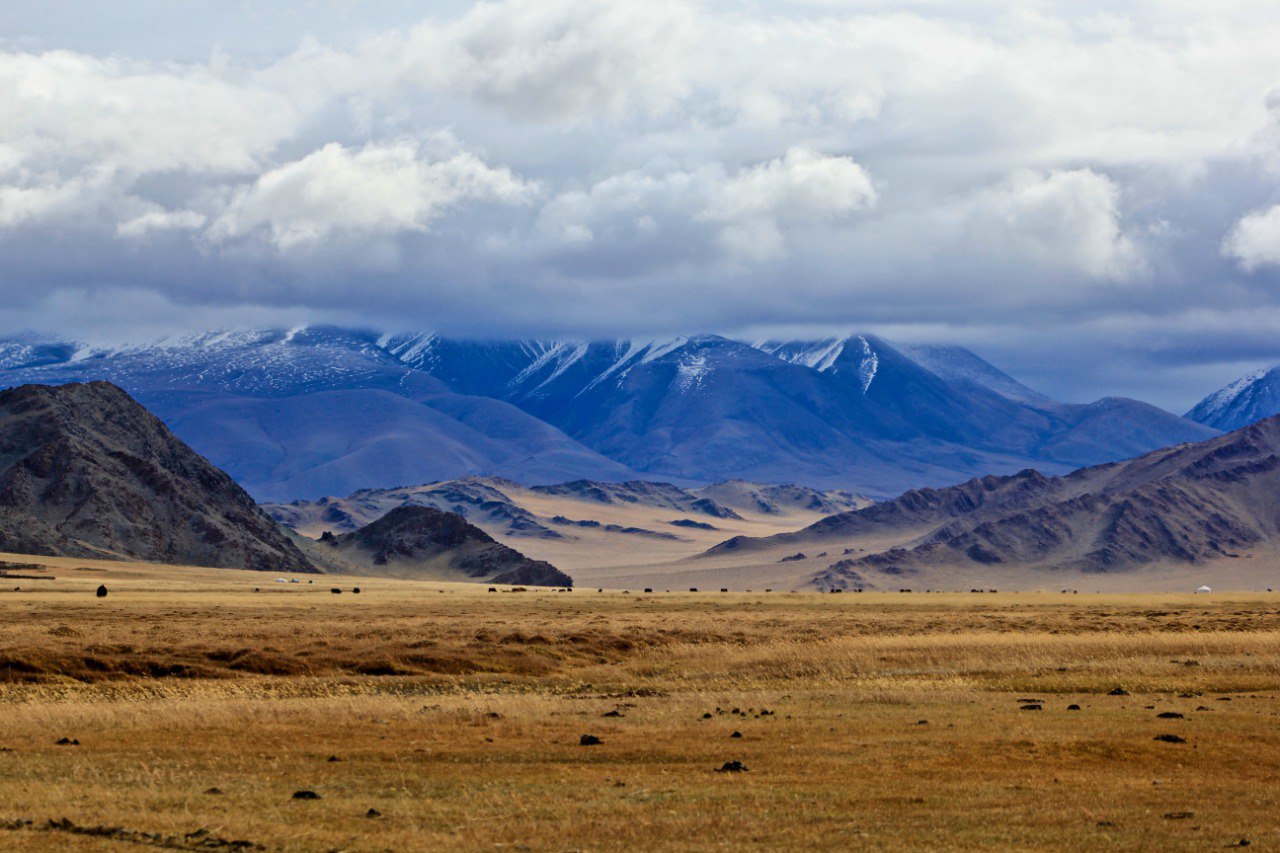
For most people around the world, Kazakhstan is known as a vast country with a harsh continental climate: scorching summers and freezing winters. This perception is not surprising — Astana holds an honorable second place among the coldest capitals on Earth, surpassed only by Ulaanbaatar. Few, however, are aware that the southern part of the country is home to true subtropical zones, similar to those in Georgia, Turkey and Greece. Experts from the Project Office for Central Asia on Climate Change and Green Energy of the Central Asia Climate Foundation (hereinafter – CACF) analyzed Kazakhstan’s climate, identified where palm trees can grow, and assessed whether Almaty could eventually join the list of cities with a subtropical climate.
Kazakhstan is indeed an enormous country. Its length spans 2,963 km from east to west and 1,652 km from north to south.
Most of the country has a sharply continental climate with large temperature fluctuations throughout the year. The four seasons are distinctly expressed: cold and snowy winters, short and changeable springs, hot and dry summers, and dry autumns. Winters are long, usually snowy and frosty, with temperatures dipping to −45 °C. Summers are hot and dry, with temperatures reaching +35…+40 °C.
In the southern foothill regions, the climate is moderately continental, with milder winters and less intense summer heat compared to the steppe zones.
The most comfortable climate in the country is found along the Caspian Sea coast: summers are not oppressively hot and winters are mild.
South of the line connecting Aktau (43°39′ N) and Shymkent (42°18′ N), Kazakhstan exhibits a subtropical inland climate characterized by warm winters and hot summers.
Shymkent is the warmest and sunniest city in the country, with an average annual temperature of 13.9 °C and 300 sunny days per year. For comparison, the northern regions of Kazakhstan receive about 120 sunny days annually, while Almaty gets around 151 days.
Interestingly, Shymkent shares the same latitude with cities such as Thessaloniki (Greece), Istanbul (Turkey), Boston (USA), Kanazawa (Japan), and Batumi (Georgia).
These climatic conditions make it possible to cultivate apples, pears, apricots, plums, cherries, sweet cherries, greengage, grapes, quince, pomegranates, figs and kiwis, as well as rice, cotton, tobacco, bay leaf, and various melon crops. Almonds and pistachios grow in mountainous areas. Industrial-scale greenhouse complexes produce lemons and bananas.
This naturally raises the question: where are the palm trees?
The main feature of Kazakhstan’s subtropics is their inland location and remoteness from the world’s oceans, which normally have a moderating effect on climate. As a result, tropical air masses from southern latitudes dominate in summer, pushing temperatures up to +50 °C, while in winter cold fronts arriving from the Arctic can bring frosts, with temperatures briefly falling to –15 °C.
The experimental botanical garden in Aktau has successfully cultivated several species of cold-resistant palm trees capable of surviving short-term frosts down to –10 °C. There are also plans to plant real palm trees along the city’s seafront to replace plastic ones.
Agronomists in farms across southern Kazakhstan (Turkestan region) successfully grow hardy palm seedlings in open ground, stating that they can adapt to the local climate. Date palms have also been planted along streets in Shymkent and Turkestan.
It is worth noting that several years ago, Shymkent’s main avenues were lined with exotic agave plants, and to this day the city has many Yucca plants — a genus native to Central America.
Is it possible for Kazakhstan’s subtropical zone to expand as a result of global warming?
According to RSE “Kazhydromet,” the territory of Kazakhstan — located in the central part of the Eurasian continent and far from the world’s oceans — is warming at significantly higher rates than the global average.
A persistent increase in average annual air temperature is observed in all regions of Kazakhstan. On average, the annual temperature across the country has been rising by 0.36 °C every 10 years. In some regions, the rate ranges from 0.26 °C per decade (Karaganda region) to 0.56 °C per decade (West Kazakhstan region). The warming trend is statistically significant in all seasons except winter.
Not only are average annual temperatures rising, but the frequency of extreme weather events is increasing. For example, the total duration of heat waves has grown markedly, the number of days with temperatures above 30 °C has increased, cold deficits are more frequent, and the number of summer days with extremely high temperatures continues to rise.
Modern research shows that between 1991–2020, compared to the baseline period 1961–1990, the boundaries of climatic zones have shifted northward. There has been an expansion of arid and semi-arid conditions, particularly in the southern and western regions, reflecting the broader trend toward warming and increasing aridity. This shift indicates a transformation of the thermal and hydrological regimes.
In the foothill valleys of Zhambyl region and the southern part of Almaty region (including the city of Almaty), certain features of subtropical climate have begun to appear, although the dominant climate type remains moderately continental.
As previously reported, the Regional Environmental Summit is scheduled to take place in Astana on 22–24 April 2026, where the environmental challenges of Central Asian countries and potential solutions will be discussed.
