
What environmental challenges does Azerbaijan face?
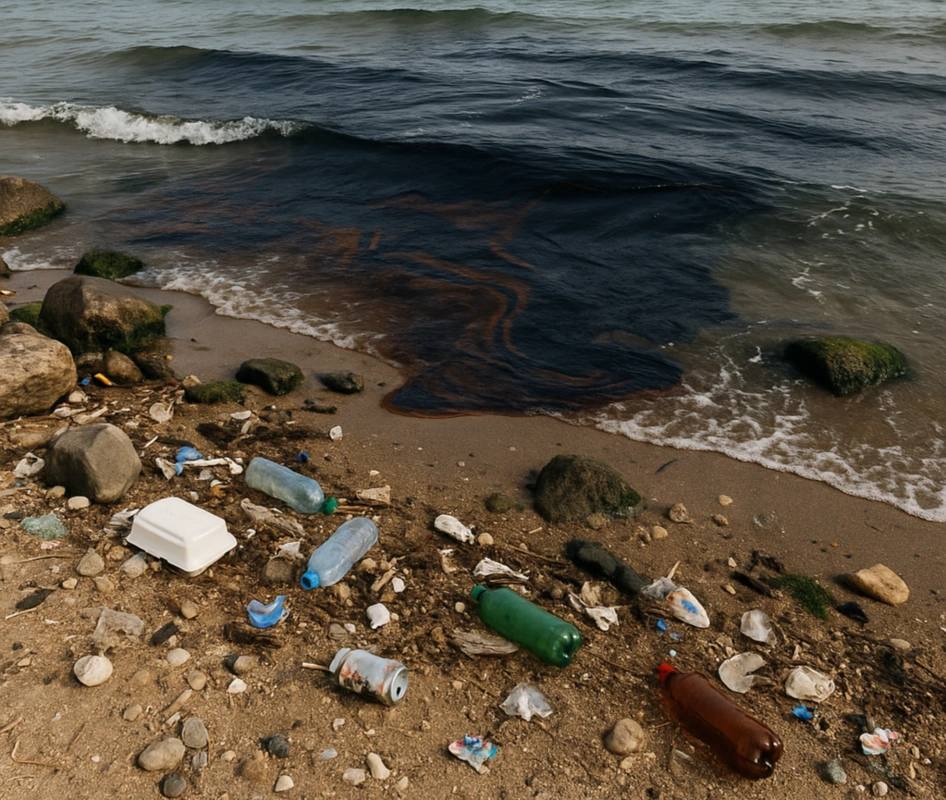
Ahead of the Regional Ecological Summit 2026, experts from the Project Office for Central Asia on climate change and green energy of the Central Asian Climate Fund (CACF) analyzed environmental challenges in Azerbaijan. This is the largest country in the South Caucasus by area, with 50% of its territory covered by mountains. Azerbaijan faces issues such as the pollution of the Caspian Sea and rivers, as well as air pollution, particularly in Baku. Soil degradation, the accumulation of household waste, and biodiversity loss are also major concerns.
Water pollution is perhaps Azerbaijan's most pressing issue. The Caspian Sea and Lake Zykh on the Absheron Peninsula are heavily polluted with oil extraction waste, while rivers and other water bodies are contaminated with industrial and domestic waste.
Two-thirds of the rivers experience significant anthropogenic pressure and are classified in the III-IV pollution classes. The Kura and Araz rivers, which are the main sources of water, enter the country already polluted with industrial and domestic discharges from neighboring countries. The Oghchuchay River is recognized as one of the most polluted, with critical levels of copper, molybdenum, iron, zinc, chromium, and nickel found, leading to mass trout deaths. In addition to Oghchuchay, high levels of phenols and metals (2-3 times higher than normal) are found in the Tovuzchay, Shamkirchay, Ganjachay, and Kyurekchayrivers.
The lack or malfunction of wastewater treatment facilities in regions leads to the direct discharge of wastewater into water bodies. The lakes of Mazutlu, Bulbula, Zabrat, and Masazir are in a highly polluted, sometimes catastrophic state. Tap water in many areas, especially in summer, is not recommended for drinking without prior purification or boiling.
Soil degradation in Azerbaijan is a critical problem, affecting large areas due to erosion, salinization, and desertification, which threatens food security. The main causes include intensive agriculture, overgrazing, irrational irrigation, and deforestation. The Kura-Araz Lowland and foothill areas are particularly vulnerable, where salinization and humus loss are developing.
Another significant issue for the country is the inefficient management of solid household waste. The appearance of illegal dumpsites and poor sorting, especially in rural areas, leads to soil and water contamination. Despite the presence of a waste incineration plant in Baku, a significant portion of waste, including plastic, is either openly burned or accumulates, posing a threat to the environment.
Biodiversity loss in Azerbaijan is driven by climate change, human impact, and habitat destruction. The main threats include agriculture, urbanization, and pollution. The country is actively working on species restoration and ecosystem conservation.
Azerbaijan's capital, Baku, with a population of about 2.4 million people, like many major cities around the world, faces the problem of air pollution due to emissions from industrial enterprises and car exhaust.
To improve the ecological situation, the government is implementing various projects. However, water pollution and waste management issues remain relevant.
As previously reported, the Regional Ecological Summit will be held in Astana on 22–24 April 2026, where the challenges facing Central Asian countries and ways to address them will be discussed. A delegation from Azerbaijan will participate in the event.
