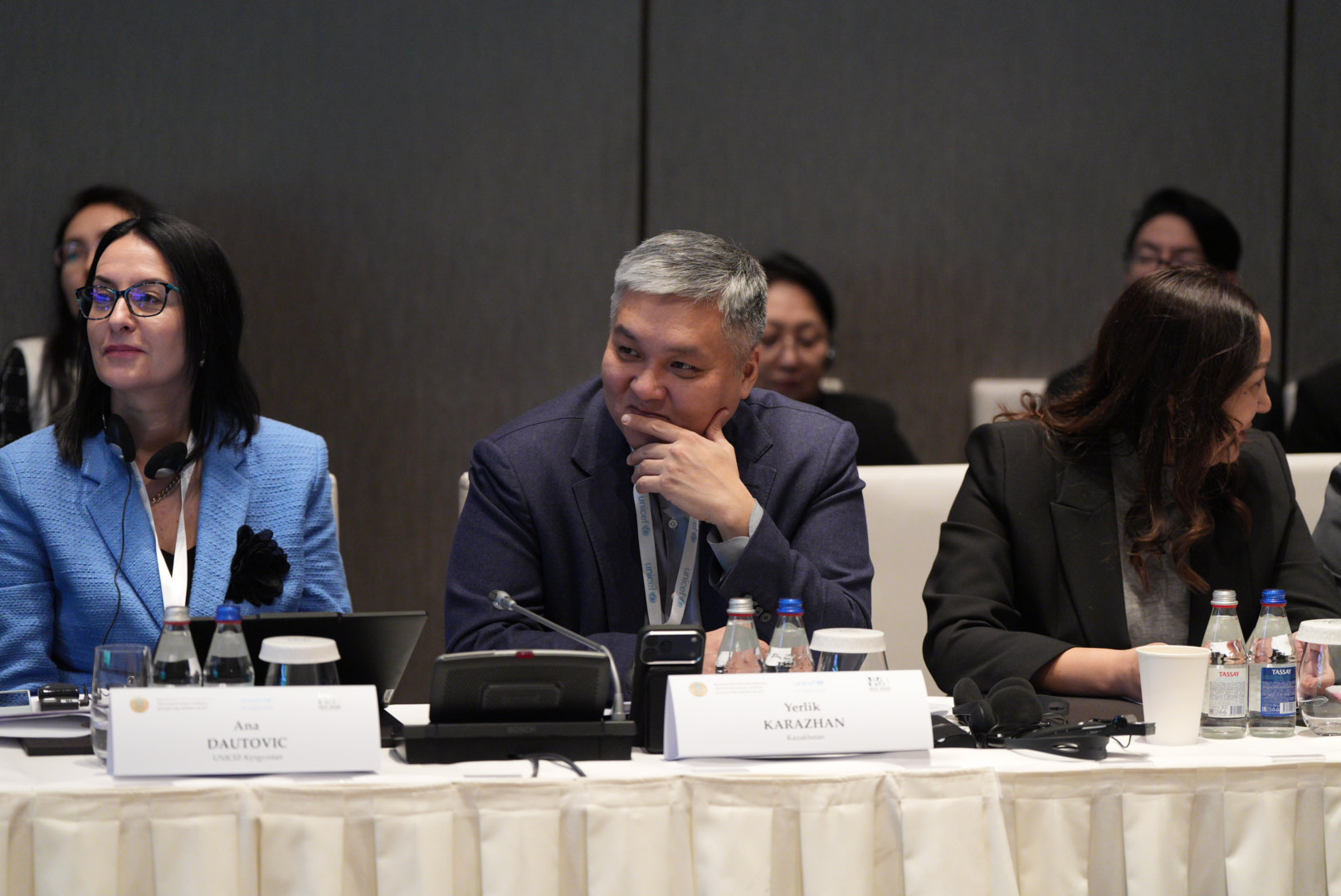
Central Asian representatives briefed on preparations for the Regional Ecological Summit 2026
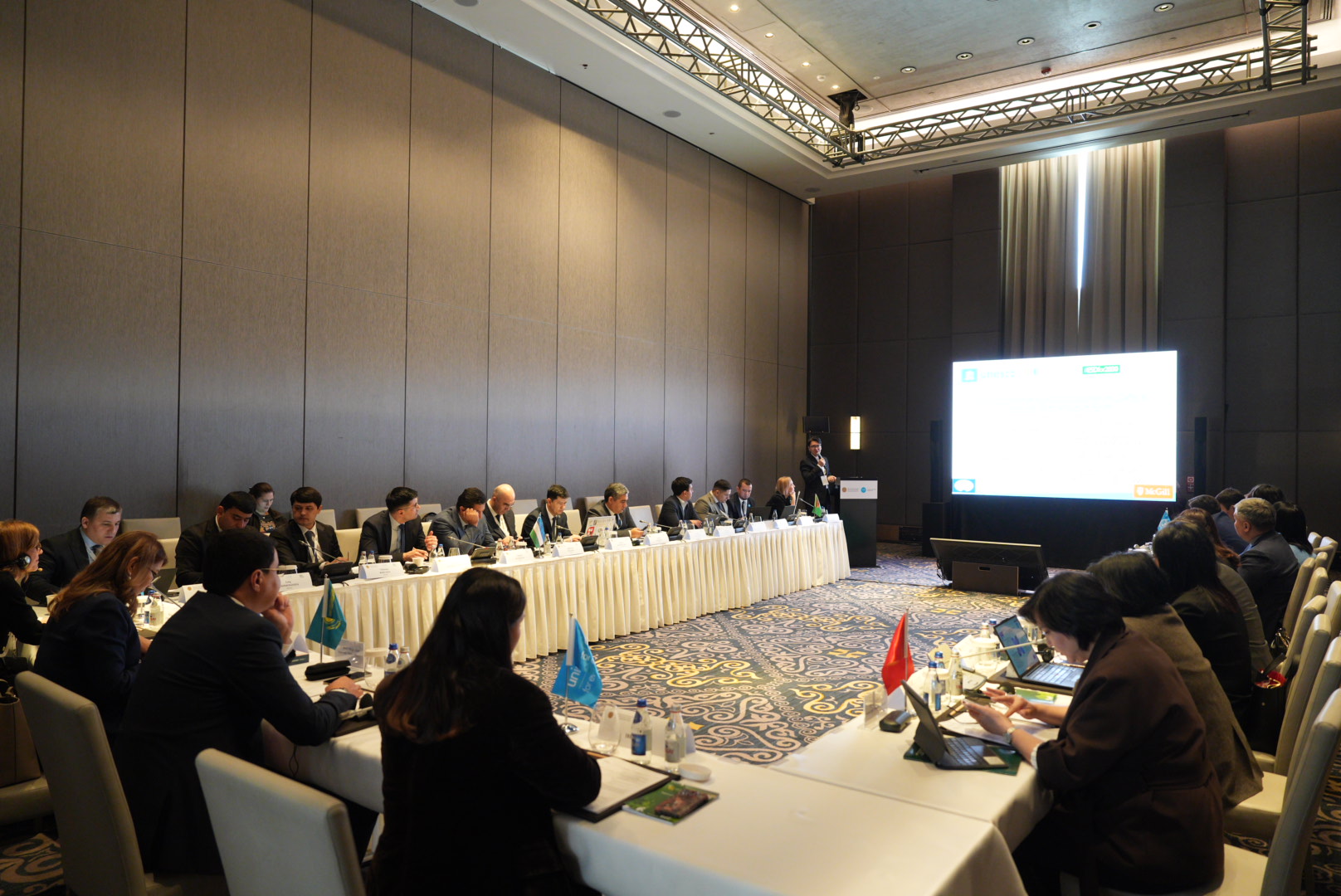
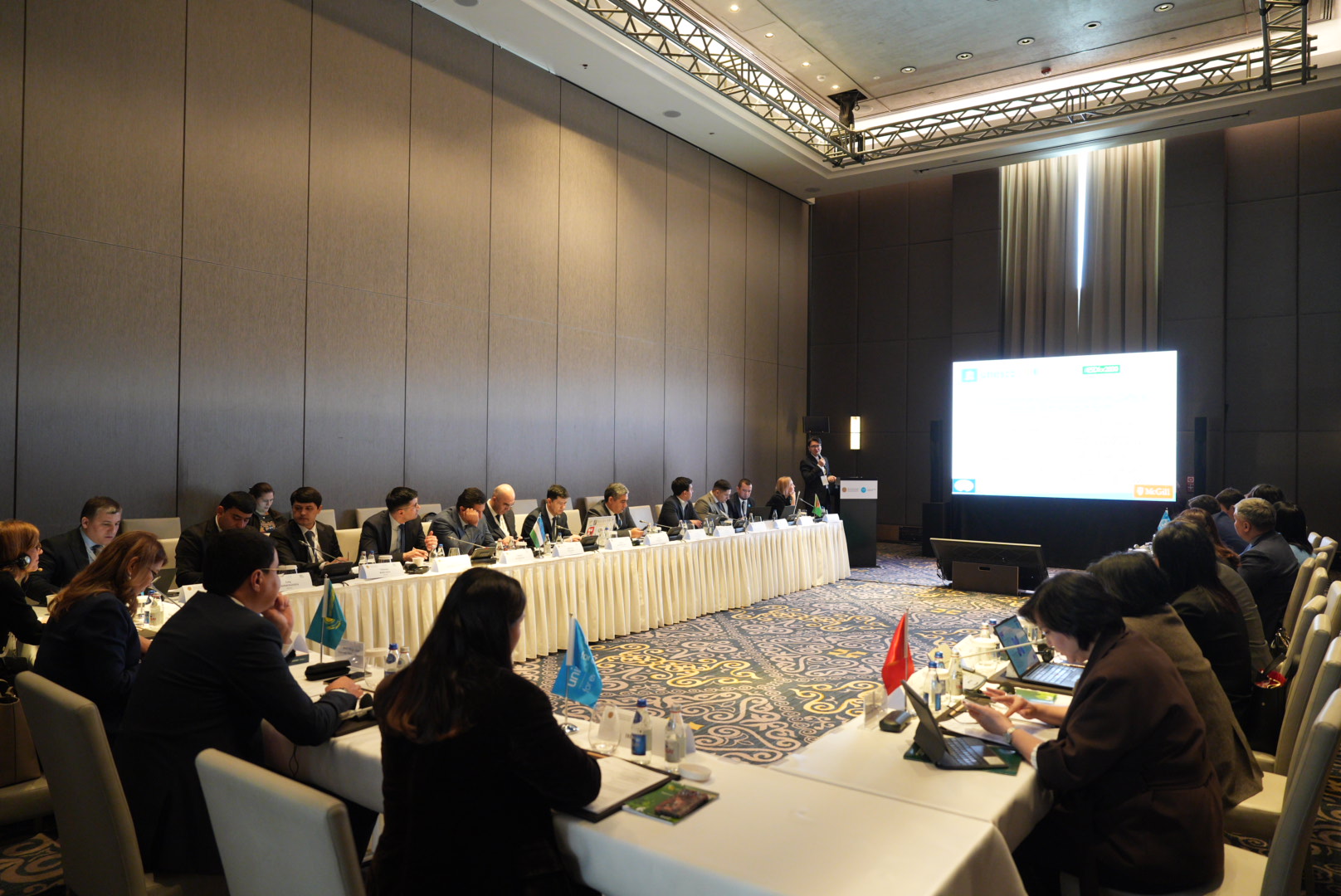
A high-level meeting was held in Astana with the participation of representatives from Central Asian countries to discuss preparations for the upcoming Regional Ecological Summit 2026 (hereinafter – RES 2026). During the event, the parties discussed preparatory issues for the summit and the international green technologies exhibition. Additionally, the Regional Platform "Green School" initiative was presented.
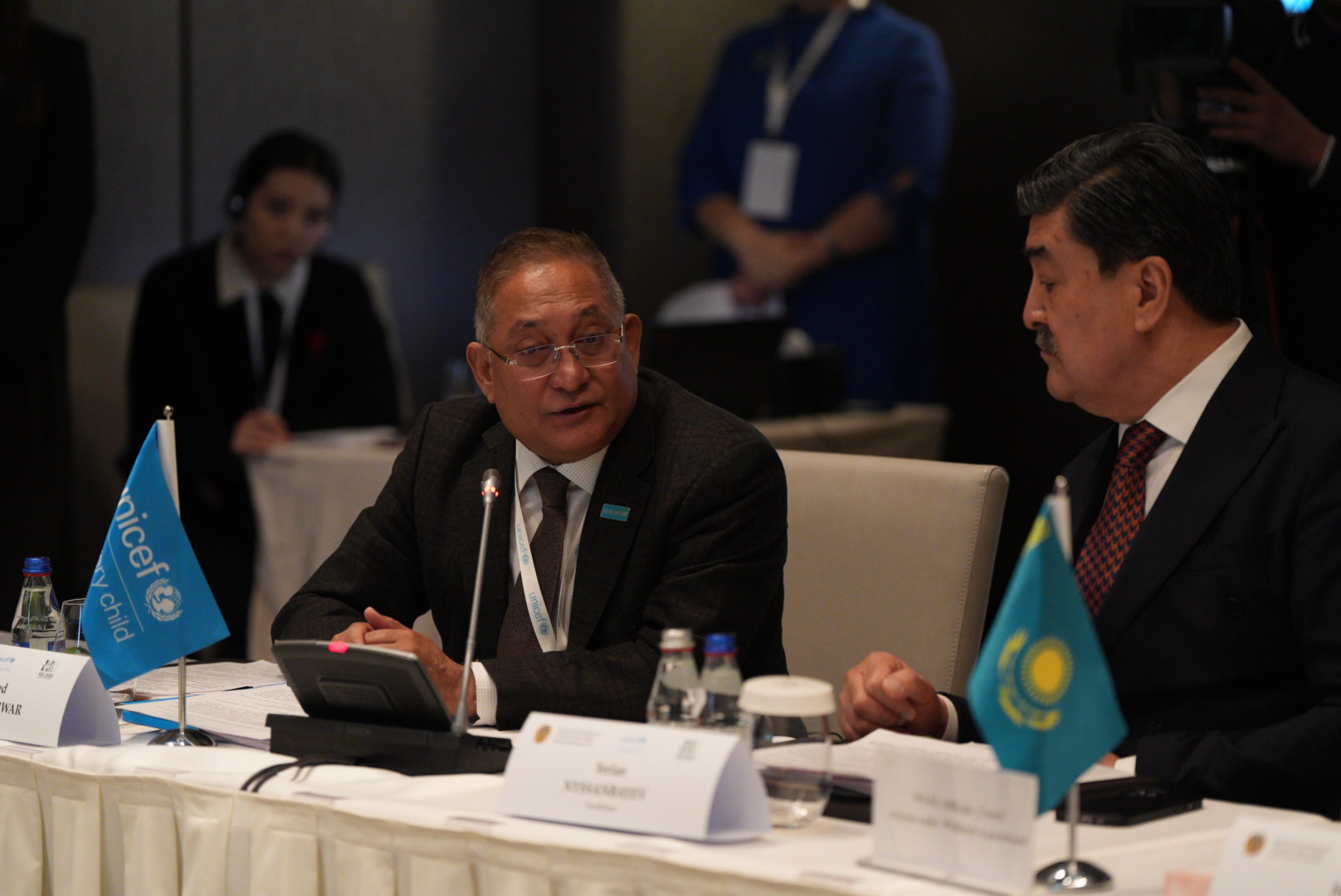
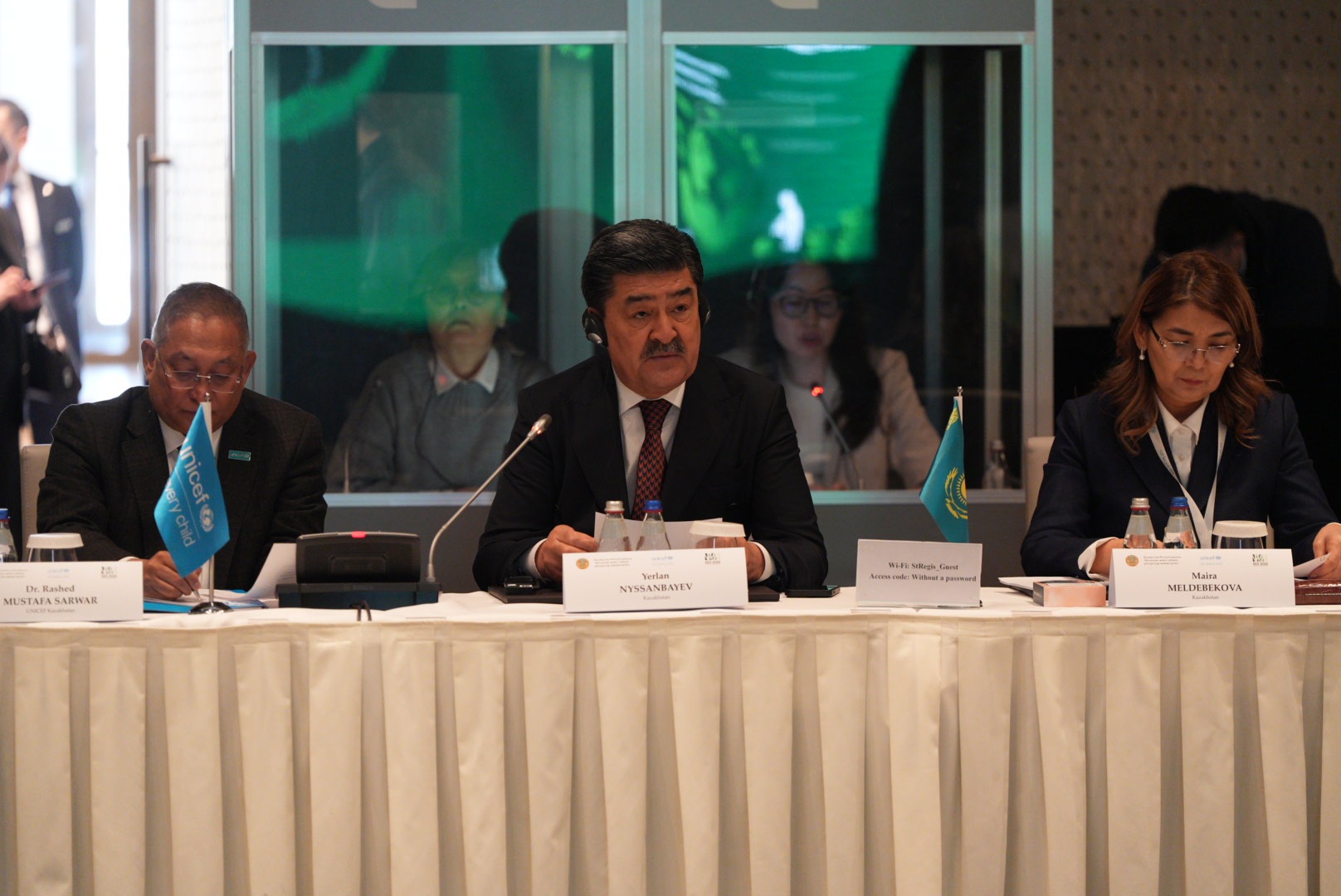
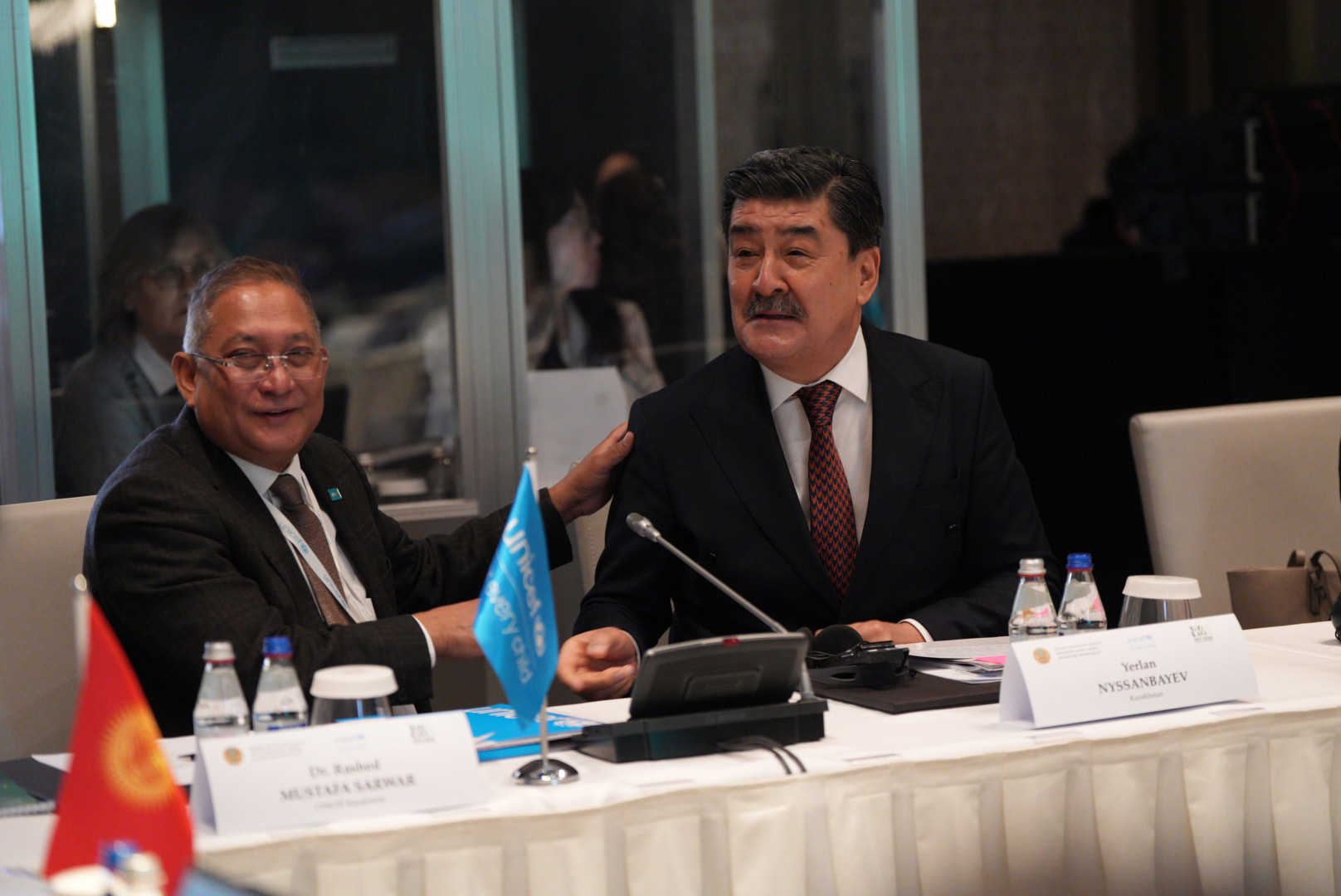
The meeting, organized with the support of UNICEF, was attended by Yerlan Nyssanbayev, Minister of Ecology and Natural Resources of the Republic of Kazakhstan, deputy ministers from the environmental and educational ministries of Central Asian countries, as well as environmental experts.
In his opening speech, Minister Yerlan Nyssanbayev emphasized that RES 2026 is conceived as a regional platform for developing practical solutions and launching sustainable mechanisms for cooperation among Central Asian countries on key environmental and climate issues.
“One of the priority areas for the summit’s preparation is the topic of children, youth, and the environment. In this context, Kazakhstan fully supports UNICEF’s initiative to develop educational systems that respond to environmental challenges. We see cooperation with UNICEF as a vital foundation for developing coordinated approaches focused on the interests of children and youth.
In line with this approach, UNICEF has proposed the creation of the Regional Platform for "Green Schools" in Central Asia. The platform is envisioned as a voluntary and coordinating mechanism to unite the governments of the region, development partners, and, where appropriate, financial institutions and the private sector to promote environmental education, sustainable school infrastructure, and initiatives led by children and youth,” said the Minister.
The platform’s approval is expected at RES 2026. Minister Yerlan Nyssanbayev noted that special attention would be given to aligning the platform’s work with the national commitments of Central Asian countries under ONU-V 3.0, as well as the potential to attract climate financing for the education sector. In this regard, the platform could become one of the specific, future-oriented outcomes of the Regional Ecological Summit.
During the meeting, UNICEF experts presented the results of an energy efficiency audit conducted in several schools in the region, which highlighted building wear and tear, climate vulnerability, and opportunities for improving the educational environment for children. Enhancing energy efficiency and resilience in schools will improve learning conditions, reduce health risks for children, lower heating and electricity costs, and allow savings to be reinvested in education quality improvement. In the future, the "green school" approach could cover 24.4 million children and more than 24,000 schools and social infrastructure facilities.
UNICEF’s representative in Kazakhstan, Rashed Mustafa Sarwar, emphasized that the launch of the Regional Platform for "Green Schools" will lead to real changes in general education organizations and in the lives of children.
The meeting also involved a comprehensive discussion of all key organizational and content-related issues related to preparations for RES 2026. Particular attention was given to the formation and content of the session program and the coordination of the regional initiatives already proposed. Proposals from countries regarding the draft final documents of the summit were also discussed.
As previously reported, the Regional Ecological Summit will take place in Astana on 22–24 April 2026, where the environmental challenges of Central Asian countries and their solutions will be discussed.