
Road transport accounts for 80–90% of air pollution in major cities of Kazakhstan
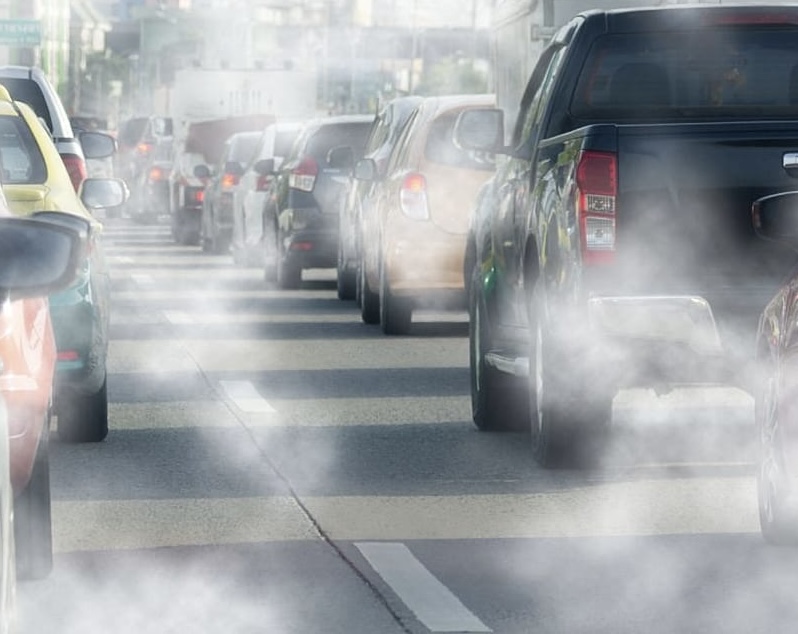
Motor vehicles remain the most mobile and widely used mode of transport. At the same time, the road transport sector is the leading contributor to environmental degradation: 95% of air pollution, 49.5% of noise pollution, and 68% of climate impact are attributed to motor vehicles.
According to the 2024 National Report on the State of the Environment and the Use of Natural Resources of the Republic of Kazakhstan, road transport is responsible for 80–90% of ambient air pollution in Kazakhstan’s major cities.
As of 1 January 2025, more than 5.744 million vehicles were registered in Kazakhstan, including 2.518 million vehicles older than 20 years.
The vehicle fleet structure includes: 5.06 million passenger cars, 568.7 thousand trucks, 115.2 thousand buses.
Regions with the highest number of registered vehicles: Almaty – 667,629, Almaty Region – 610,705, Astana – 424,679, Karaganda Region – 360,375, East Kazakhstan Region – 333,787, Turkistan Region – 326,610, Zhambyl Region – 297,780, Shymkent – 243,415, Kostanay Region – 242,593, Akmola Region – 239,665.
Most vehicles in Kazakhstan run on gasoline, while the majority of heavy-duty vehicles use diesel fuel. The number of electric vehicles reached 13,115 in 2024, up from 8,303 in 2023.
Internal combustion engine vehicles emit a toxic mixture of pollutants, including carbon monoxide, nitrogen oxides, hydrocarbons, soot (fine particulate matter), sulfur dioxide, and benzo[a]pyrene, a potent carcinogen. Diesel engines tend to emit more soot and nitrogen oxides, whereas gasoline engines release more carbon monoxide and hydrocarbons.
Key pollutants in vehicle emissions include:
- Carbon monoxide – reduces the oxygen-carrying capacity of the blood;
- Nitrogen oxides – major contributors to smog and respiratory irritation;
- Hydrocarbons – toxic compounds formed during incomplete combustion, some of which are carcinogenic;
- Soot (PM particles) – penetrates deep into the lungs, causing allergies and respiratory diseases;
- Sulfur dioxide – produced when fuel with a high sulfur content is burned;
- Benzo[a]pyrene – a strong carcinogen associated with cancer risks;
- Heavy metal compounds, including lead, found when low-quality fuel is used.
Additionally, harmful particles are released through tire and brake wear. The amount and composition of emissions depend on a vehicle’s technical condition, the type of fuel used, and driving patterns (e.g., acceleration at traffic lights significantly increases emissions).
As previously announced, the Regional Ecological Summit will take place in Astana on 22–24 April 2026, where Central Asian countries will discuss environmental challenges and cooperative solutions. A dedicated session will focus on urban air quality.
