
What environmental challenges does Turkmenistan face?
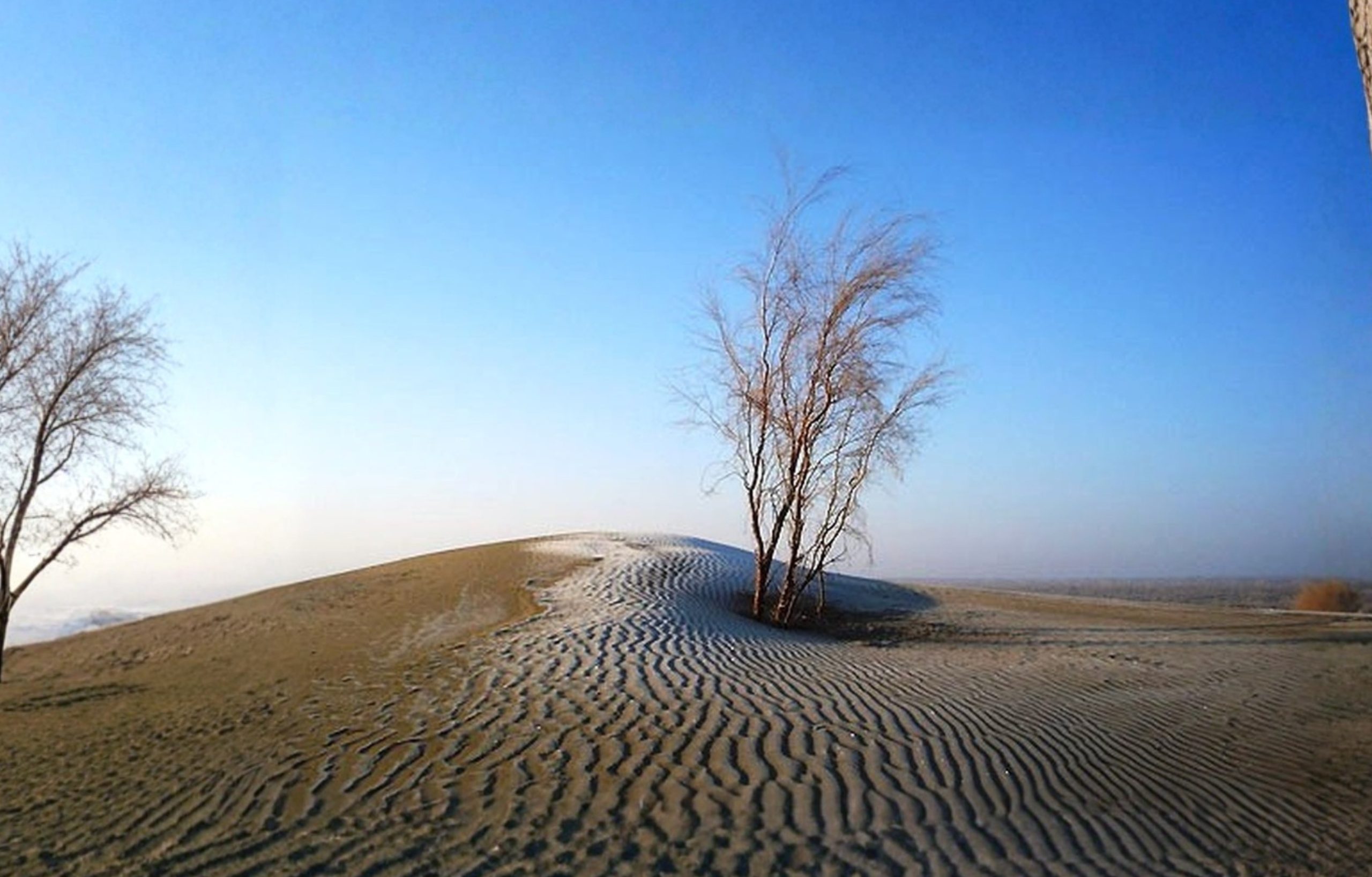
Ahead of the Regional Ecological Summit 2026, experts from the Project Office for Central Asia on climate change and green energy of the Central Asian Climate Fund (CACF) analyzed the environmental challenges in Turkmenistan. The second-largest country in the region suffers from the encroachment of sands from the Karakum and Kyzylkum deserts, water scarcity, land degradation, and Caspian Sea pollution. Additionally, human impacts on ecosystems have led to biodiversity loss.
Desertification in Turkmenistan is a critical environmental issue that affects much of the country. The expansion of the Karakum and Kyzylkum deserts is among the fastest in the world and is comparable to regions in the Sahara and Sahel.
Land degradation caused by excessive livestock grazing, soil salinization, and unsustainable water use has significantly reduced productivity over recent decades. Up to 80% of irrigated lands have a shallow salinity of groundwater (1–2 meters from the surface), leading to rising salinity levels and reduced soil fertility.
Turkmenistan is facing critical water scarcity. Almost all water flows into the country via transboundary rivers, particularly the Amu Darya, making the country extremely vulnerable to regional water policies. Global warming is causing the rivers, including the Atrek, Murgab, and Tejen, to shrink. Significant losses occur due to outdated irrigation infrastructure, with water consumption for agriculture accounting for about 90% of total consumption. There is an urgent need to modernize water treatment and supply systems.
The drying of the Aral Sea has also negatively impacted Turkmenistan. Summers have become drier and hotter. Salt-and-sand storms carry harmful chemicals from the dried seabed to the country’s agricultural lands. High concentrations of dust and salts in the air have led to a sharp increase in respiratory diseases, throat and esophageal cancers, and anemia, particularly in the Dashoguz province.
Caspian Sea pollution in Turkmenistan, caused by oil extraction, and the falling sea level critically affect the ecosystem and coastal areas. These two factors contribute to a decline in biodiversity, the extinction of endemic fish and bird species, and pose a threat to the economy due to the destruction of bays and the reduction of fish stocks.
Climate change is a serious issue for Turkmenistan, as it is for Central Asia as a whole. Further temperature increases, along with more frequent droughts, are expected, which could lead to soil erosion and the reduction of forest areas.
To address these challenges, the country has implemented the National Climate Change Strategy and the National Forestry Program, both aimed at promoting environmental conservation and sustainable resource management, as well as the regional project "Fighting Marine Litter and Plastics – A Systematic Approach in the Caspian Sea."
As previously reported, the Regional Ecological Summit will be held in Astana on 22–24 April 2026, where the challenges facing Central Asian countries and ways to address them will be discussed.
