
Scaling up the circular economy in Central Asia to be discussed at RES 2026
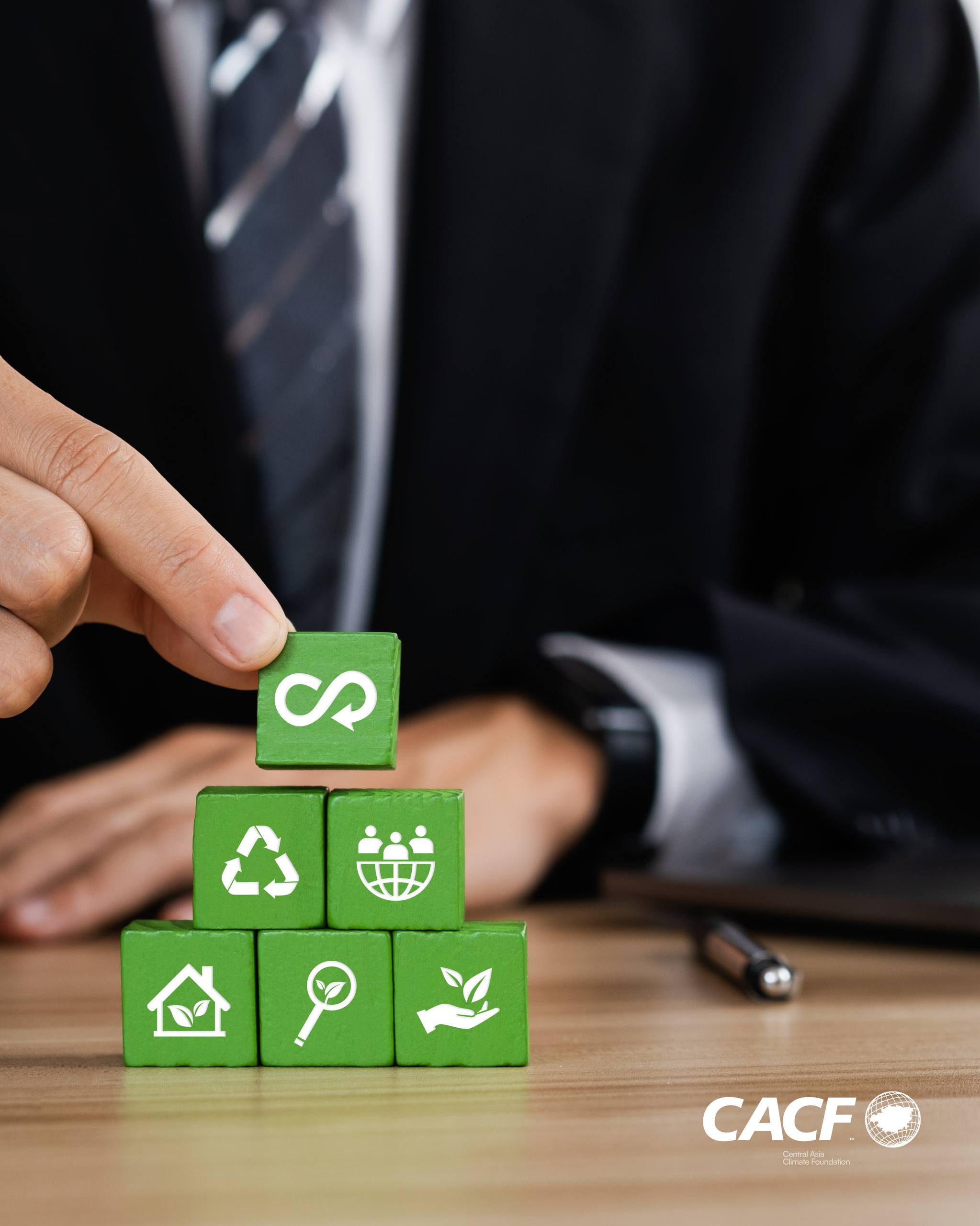
The Ministry of Ecology and Natural Resources of Kazakhstan, in cooperation with the United Nations Environment Programme (hereinafter – UNEP), SWITCH-Asia, and the World Bank, will hold a session within the framework of the Regional Ecological Summit 2026 (hereinafter – RES), which will take place in Astana on 22–24 April, dedicated to the development of the circular economy in the countries of Central Asia.
The high-level thematic session entitled “Scaling up the Circular Economy: Regional Cooperation for Enhanced Resource Efficiency” will take place on 22 April. The event is expected to feature ministers of ecology from Central Asian countries, the Executive Director of UNEP, as well as representatives of international organizations, including the Global Director for Environment at the World Bank, the Regional Director of the Food and Agriculture Organization (FAO), the Executive Secretary of the Secretariat of the Basel, Rotterdam and Stockholm Conventions (BRS), and the Ambassador of the European Union.
The circular economy is becoming a strategic direction for sustainable development in Central Asian countries amid economic growth, limited resources, and increasing volumes of waste. The transition from a linear to a circular model helps reduce environmental and climate risks, create new markets and opportunities for innovation, generate jobs, and improve overall well-being. Patterns of mass consumption and the use of single-use products have a negative impact on public health, water resources, ecosystems, and food security. In this regard, the circular economy is considered one of the most important cross-border направления for the region’s sustainable transformation.
The fragmentation of the regulatory framework in Central Asian countries, insufficient development of waste management infrastructure, and persistently low recycling rates highlight the need for a coordinated regional approach. Such an approach will ensure policy coherence, support the effective implementation of international commitments at the national level, and promote circular economy principles.
The purpose of the session is to strengthen regional cooperation and exchange best practices in sustainable resource management, waste reduction, and the implementation of circular economy principles.
The session will also address the development of intergovernmental cooperation in Central Asia to scale up circular solutions in key sectors, including agri-food systems, construction, industry, tourism, and waste management.
In addition, the Framework Partnership Programme on the Circular Economy in Central Asia will be presented, aimed at establishing a sustainable regional platform for cooperation, knowledge exchange, and the promotion of circular approaches across the region.
It is expected that the session will serve as the first step towards the establishment of a regional circular economy alliance and will provide a platform for developing coordinated approaches and strengthening cooperation among the countries of the region in this field.
