
Climate as an Opportunity: Rae Kwon Chung on Green Growth, Kazakhstan’s Role, and Personal Responsibility in the New Ecological Economy
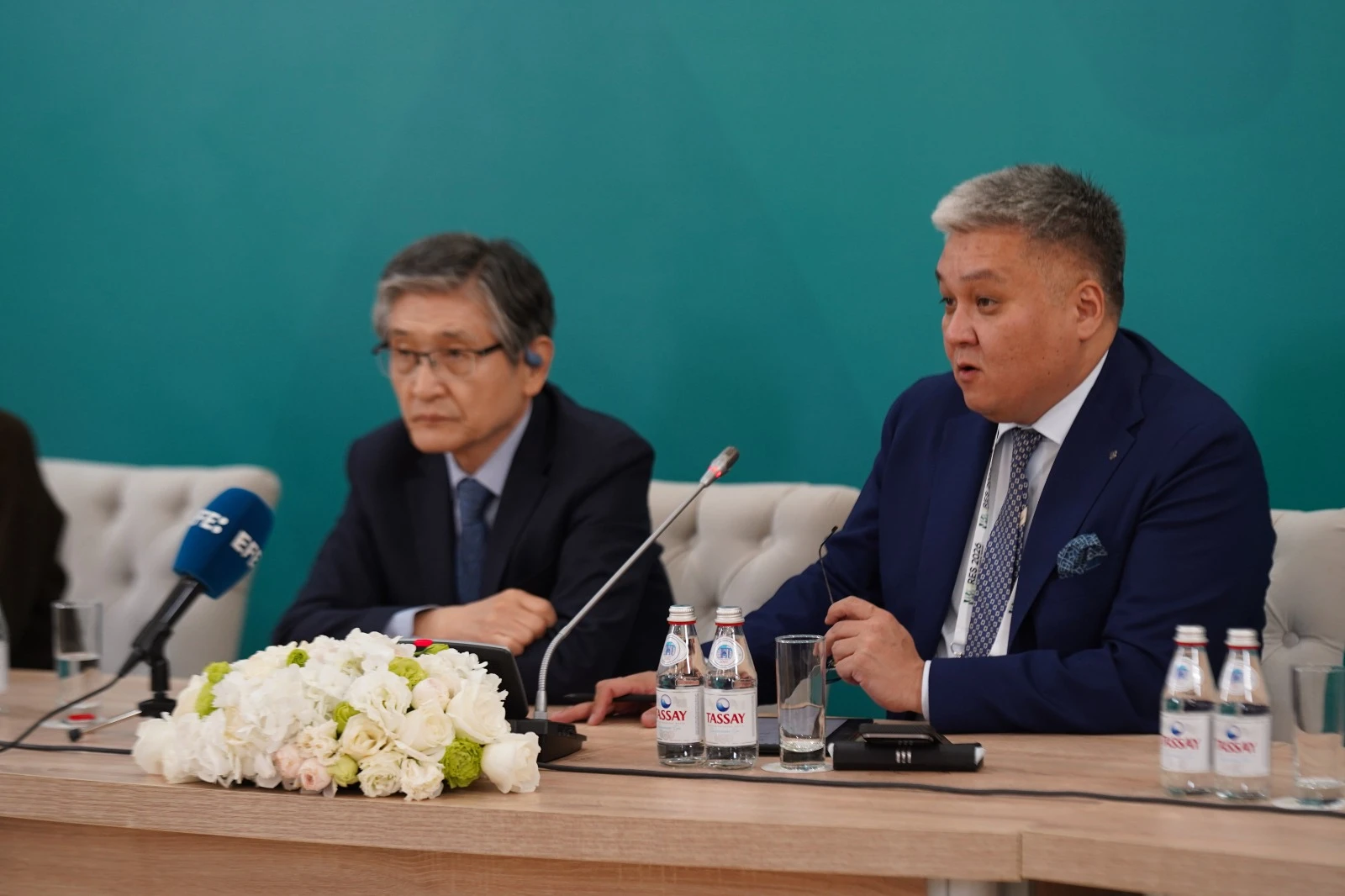
Former advisor to the UN Secretary-General on climate change and a 2007 Nobel Peace Prize laureate, Rae Kwon Chung, spoke at a press conference held as part of the Regional Ecological Summit 2026 in Astana, where he told about his “Green Growth” concept. The expert emphasized that it is a strategic model of economic development requiring an active role of the state, business participation, and public engagement.
“The climate crisis can be turned into an opportunity for economic growth and job creation,” he noted, adding that the transition to a green economy is impossible without a long-term vision, while the world today remains focused on short-term results.
Special attention in his speech was given to Kazakhstan, which, according to Chung, demonstrates consistent leadership in advancing the ecological agenda. He recalled that the country was among the first to support the ideas of green growth by launching the “Green Bridge” initiative in 2010, and emphasized that hosting the first Regional Ecological Summit in 2026 is a logical outcome of this policy. The expert highlighted Kazakhstan’s significant progress in mobilizing regional cooperation and political will at the level of heads of state.
Among practical solutions capable of accelerating the transition to a green economy, Chung presented the “Carbon-free smart farm” initiative. This model involves the use of solar energy, the abandonment of fossil fuels and the use of closed-loop water cycle technologies. According to him, such a system not only significantly reduces water consumption but also increases the economic value of products.
“Depending on quality, the price also changes: if conventional cotton costs about $1.5 per kilogram, organic cotton is $25, then carbon-free products can reach $60,” he explained.
A significant part of his speech was devoted to rethinking approaches to climate responsibility. Chung noted that the existing system of nationally determined contributions is not sufficiently effective and proposed strengthening the role of each individual through the concept of personal responsibility.
“If each of us does not contribute, achieving climate goals will be impossible,” the expert emphasized.
He also noted the growing willingness of consumers to choose environmentally friendly products even at a higher price, which is shaping a new economic model focused on quality and sustainability. In his opinion, it is precisely the combination of government policy, business initiatives, and personal responsibility of citizens that can ensure a real transition to a green economy.
In conclusion, Rae Kwon Chung emphasized that Kazakhstan already demonstrates a successful example of implementing the principles of green growth and has the potential to become one of the leaders in shaping the new ecological economy of the region.
