
Central Asia Addresses Workforce Development for Scaling Renewable Energy
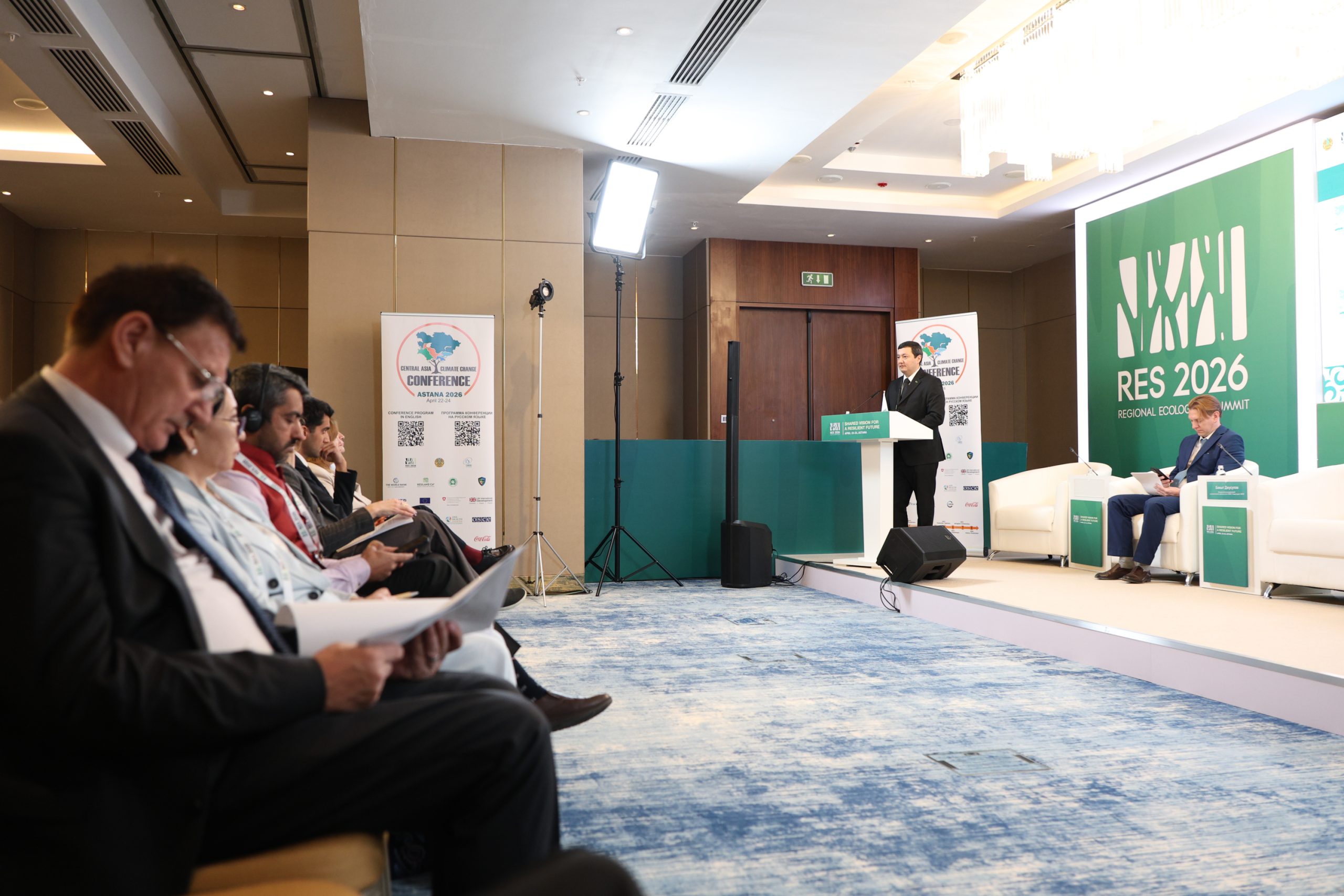
The development of renewable energy in Central Asia faces a key barrier — a shortage of qualified specialists. This challenge became the central topic of a panel session organized by the Regional Environmental Centre for Central Asia (CAREC) in partnership with the OSCE, GIZ, and other partners within the framework of the Central Asian Climate Change Conference (CACCC-2026).
According to international estimates, the renewable energy sector is growing rapidly: in 2023, it employed 16.2 million people, which is 2.5 million more than the previous year. Approximately 44% of these jobs are in the solar energy sector. By 2030, the share of renewable sources in global power generation is expected to reach 43%.
Against this backdrop, Central Asian countries plan to commission up to 8 GW of new solar and wind energy capacity. However, the pace of industry development is already outstripping the capabilities of education and training systems.
During the session, participants discussed the most in-demand competencies for the coming years, how to adapt educational programs to meet real market needs, strengthen practical training, and promote joint research and academic mobility. Special attention was given to the role of the private sector in workforce development and innovation.
One of the key expected outcomes was the signing of memoranda of understanding between technical universities in Central Asia and CAREC. This will create a foundation for developing a regional workforce training system, advancing joint research, and fostering sustainable academic cooperation.
“The transition to clean energy is not only about technology and investment. It is прежде всего about specialists who can design, build, and maintain the energy systems of the future. We have enormous potential in solar and wind energy, and to ensure this potential does not remain on paper, our task in this session is to lay the foundation for regional cooperation that will enable companies and universities to speak the same language,” noted CAREC Executive Director Batyr Mamedov.
This event served as a platform for developing practical solutions that can be implemented within the next 12–18 months and will contribute to strengthening energy security, creating new jobs, and increasing the region’s resilience to climate change.
